- The Guidance
- Posts
- The EU's DeFi dilemma
The EU's DeFi dilemma
The EU’s MiCa regulation doesn’t apply to fully decentralised protocols. That raises the question: are there any fully decentralised protocols?

Aleks Gilbert
March 30, 2026

Hey all, Aleks here.
Last week, researchers at the European Central Bank published a paper titled, "Who to regulate? Identifying actors within DeFi’s governance.”
The EU’s Markets in Crypto-Assets regulation, better known as MiCA, explicitly left out crypto services “provided in a fully decentralised manner,” the paper notes. That, of course, raises the question: are DeFi protocols fully decentralised?
In short, no.
The researchers took a look at DAOs governing four protocols: Aave, Uniswap, MakerDAO, and Ampleforth.
They gathered data from November 2022 and May 2023 — before MakerDAO’s rebrand to Sky — but its key takeaway is almost certainly true today: that voting power in major protocols is highly concentrated among just a handful of people.
"The findings challenge the perception that DAOs are inherently decentralised,” the researchers write.
"While these tokens are technically distributed across a large number of unique blockchain addresses, a small number of entities holds a majority of the supply.”

The researchers were able to trace roughly half the voting power to “the protocols themselves,” i.e. the founders, developers, and DAO treasuries.
“However, with the available data, it is not possible to further pin down these holdings,” the researchers wrote.
Centralised exchanges account for another 3% to 22% of governance tokens among the four protocols, though that could include tokens held on customers’ behalf.
Unsurprisingly, the researchers were frustrated in their efforts by the pseudonymous nature of DeFi governance.
“This lack of transparency complicates efforts to assess accountability and reinforces concerns about the concentration of power,” the researchers wrote. “We are not able to identify around one third of the top voters in our sample.”
The concentration of voting power won’t be news to anyone who has closely followed DAO drama in recent weeks.
In Aave DAO, for example, a bitter feud between the company that built the protocol and a major delegate — that is, a subject matter expert who votes on behalf of other tokenholders — led to accusations that Aave founder Stani Kulechov had functionally rigged the outcome of contentious proposals by using his vast store of Aave tokens.
In Uniswap DAO, claims of centralised control even made their way into a congressional hearing last year when Representative Sean Casten, a Democrat from Illinois, raised an issue common among disgruntled Uniwap delegates.
“If you agree that decentralisation involves distributing voting power among your UNI token holders,” a congressman said, addressing Uniswap Labs’ chief legal officer, “doesn’t the fact that the Uniswap Foundation can unilaterally make decisions — doesn’t that weaken any claim of it being decentralised?”
Then-CLO Katharine Minarik pushed back by stating her employer is a distinct legal entity from the Uniswap Foundation and that the Foundation, in any case, couldn’t make unilateral decisions.
Suggestions
The ECB researchers had a couple of suggestions.
“Improving the traceability of token holdings and clarifying the roles and obligations of various stakeholders … could facilitate more effective governance and regulatory oversight,” they wrote.
Another would take a page from Wyoming’s playbook.
“A potential regulatory approach could involve creating tailored legal structures specifically for DAOs, clarifying responsibilities, liabilities, and governance obligations explicitly,” the researchers wrote.
In March 2024, Wyoming lawmakers created such a legal structure when they passed the DUNA Act, allowing DAOs to create legally-recognised entities in the state.
Last year, Uniswap DAO became one of the first to take advantage of the opportunity.

ICYMI
Bitcoiners cry foul over US crypto tax bill that ‘picks winners and losers’
Bitcoiners complained after US lawmakers released draft tax legislation that did not include a so-called de minimis exemption for low-value Bitcoin transactions.Crypto dev loses lawsuit seeking protection from DOJ
A crypto developer building a non-custodial crowdfunding protocol hadn’t proved he was facing imminent prosecution, a federal judge ruled last week.Kalshi launches ‘whistleblower’ function to oust insider traders as lawmakers circle
Facing mounting scrutiny from US lawmakers, Kalshi introduced a “report insider trading” button and said it had launched tools to preemptively block political candidates from betting on the outcome of their campaigns.
Latest from DL Research
 |  |  |
Story of the week
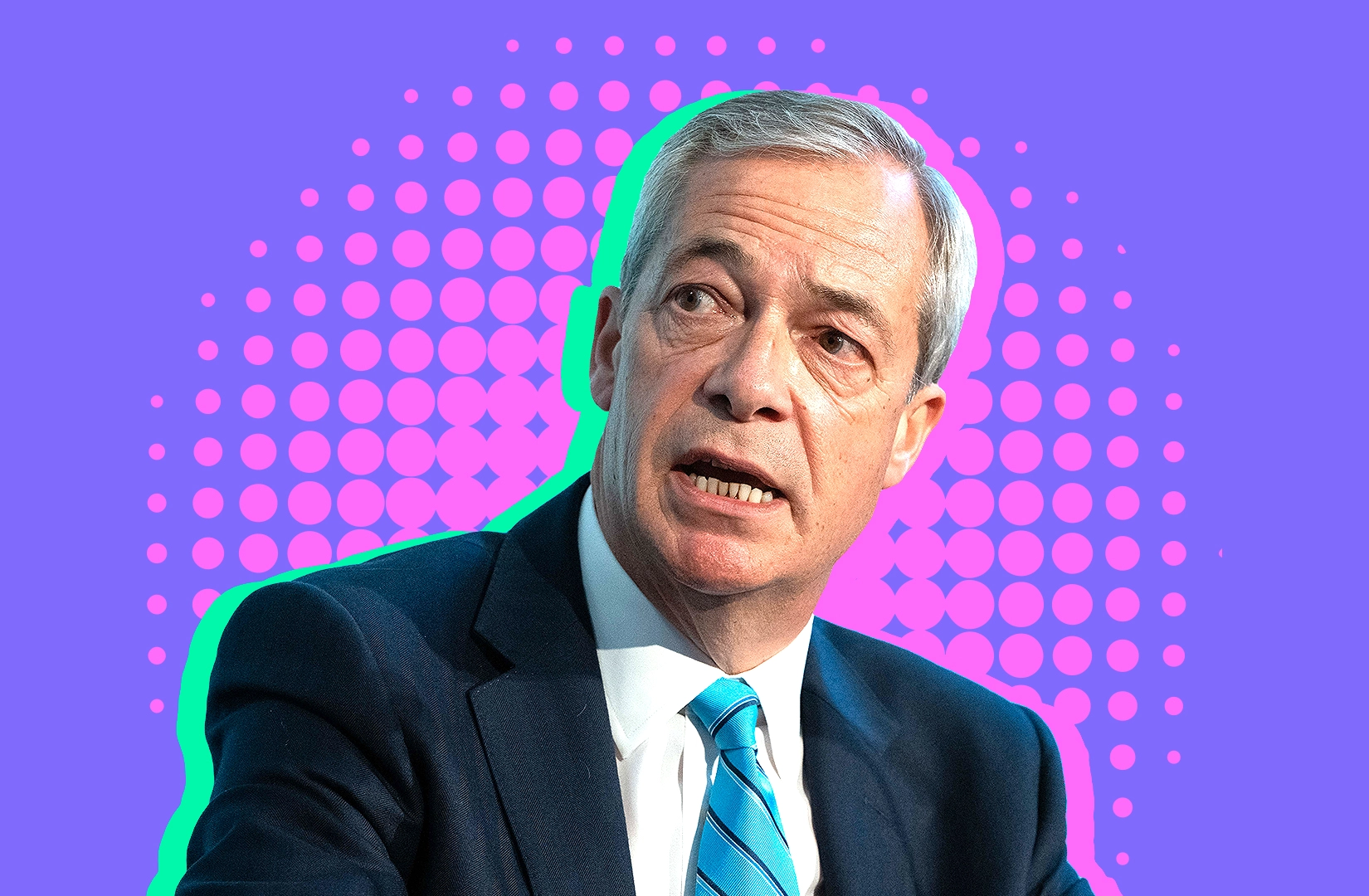
Coinbase has lashed out at the UK government over a new ban that targets crypto donations to political parties, calling the measure a “blunt instrument” that fails to target “legitimate concerns.”
The crypto exchange’s attack comes after Dan Jarvis, the UK’s security minister, said the new measures were designed to “keep our country safe and defeat attempts to meddle in our democracy.”
The government said that cryptocurrency donations allow bad actors to influence elections in Britain anonymously.
Post of the week
Nearly two-thirds of US crypto investors are heading into tax season unaware of new reporting rules that could cost them up to $100,000.

DL News is an independent news organisation that provides original, in-depth reporting on the largely misunderstood world of cryptocurrency and decentralised finance. From original stories to investigations, our journalism is accurate, honest and responsible.
Forwarded by a friend? Subscribe here.
